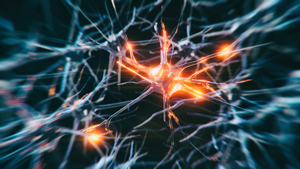
The gut–brain axis plays a central role in immune regulation, neurotransmitter balance, metabolic signaling, and autonomic nervous system function. When gut dysbiosis, intestinal permeability, and chronic inflammation occur, they may contribute to neuropsychiatric symptoms, cognitive changes, immune dysregulation, and systemic disease.
At C-GABA, we evaluate complex neurological, psychiatric, developmental, and inflammatory conditions through a microbiome-informed lens—identifying when gut–brain neuroinflammation may be a contributing factor. Below is an overview of the conditions we assess and support through structured, integrative care models.
Neuropsychiatric & Cognitive Conditions

Chronic inflammation, altered neurotransmitter production, and vagus nerve dysregulation may influence mood, anxiety, and cognitive function.
- Depression (treatment-resistant or inflammatory subtype)
- Generalized Anxiety Disorder (GAD)
- Panic Disorder
- Obsessive–Compulsive Disorder (OCD)
- Post-Traumatic Stress Disorder (PTSD)
- Attention-Deficit / Hyperactivity Disorder (ADHD)
- Mild Cognitive Impairment (MCI)
- Stress-Related Cognitive Dysfunction
These conditions may involve serotonin, GABA, and dopamine pathway disruption influenced by microbiome imbalance and immune activation.
Neurodevelopmental Conditions

Emerging research highlights the relationship between pediatric gut dysfunction, immune signaling, and developmental outcomes.
- Autism Spectrum Disorder (ASD) with GI Symptoms
- Sensory Processing Disorder
- Developmental Delay with Gut Dysbiosis
- Learning Difficulties Associated with Chronic Gut Inflammation
When gastrointestinal symptoms coexist with behavioral or developmental challenges, a gut–brain evaluation may provide additional clinical insight.
Neuro-Inflammatory & Immune-Mediated Conditions

Systemic immune activation and chronic inflammation may influence neurological symptoms and disease progression.
- Multiple Sclerosis (Supportive Gut-Immune Modulation)
- Autoimmune encephalitis (Adjunctive Care)
- Chronic Neuroinflammation Syndromes
- Mast Cell Activation–Related Neurological Symptoms
- Inflammatory Bowel Disease (IBD)
- Metabolic Syndrome / Insulin Resistance in Diabetes
- Chemotherapy & Bone Marrow Transplant-Related Conditions
Microbiome balance plays a role in immune regulation, cytokine activity, and inflammatory signaling.
Neurodegenerative Disorders & Brain Aging

Chronic neuroinflammation and metabolic dysfunction are increasingly studied in progressive brain disorders.
- Alzheimer’s Disease
- Parkinson’s Disease
- Lewy Body Dementia
- Huntington’s Disease
- Amyotrophic Lateral Sclerosis (ALS)
- Longevity / Healthy Aging
While these conditions are multifactorial, gut–brain modulation may serve as a supportive strategy within a comprehensive medical plan.
Functional & Systemic Conditions with Brain Symptoms

Many systemic disorders present with cognitive, mood, or neurological symptoms linked to inflammatory signaling.
- Chronic Fatigue Syndrome / ME
- Fibromyalgia
- Long-COVID Cognitive and Neurological Symptoms
- Chronic Migraine and Tension Headaches
- Sleep Disorders Linked to Gut Dysbiosis
- Somatic Symptom Disorder
- Irritable Bowel Syndrome (IBS)
These conditions often share overlapping pathways involving immune activation, HPA axis dysregulation, and microbiome imbalance.
Pediatric & Adolescent Presentations

In children and adolescents, gut dysfunction may present with behavioral, emotional, and sleep-related symptoms.
- Recurrent Abdominal Pain with Anxiety
- Emotional Dysregulation with GI complaints
- Sleep Disturbances with Gut Imbalance
- Behavioral Issues Linked to Food Intolerance or Dysbiosis
A structured gut–brain evaluation may help clarify underlying contributors in complex pediatric presentations.
Key Shared Gut–Brain Pathways in Neuroinflammation

Across these conditions, several biological mechanisms frequently overlap:
- Gut Dysbiosis (Microbial Imbalance)
- Increased Intestinal Permeability (“Leaky Gut”)
- Microglial Activation in the Central Nervous System
- Vagus Nerve Dysregulation
- Altered Neurotransmitter Production (Serotonin, GABA, Dopamine)
- Chronic Low-Grade Systemic Inflammation
- HPA Axis Stress Dysregulation
Understanding these shared pathways allows for a targeted, systems-based approach rather than isolated symptom treatment.
A Structured, Microbiome-Informed Evaluation Model
At C-GABA, we conduct comprehensive gut–brain assessments that may include:
- Detailed medical, psychiatric, and developmental history
- Advanced stool microbiome analysis
- Inflammatory and metabolic marker testing
- Gut permeability assessment
- Nutritional and lifestyle review
Our approach is integrative and collaborative, designed to complement—not replace—standard neurological, psychiatric, or specialty care.
Explore a Gut–Brain Evaluation
If you or your child are experiencing complex neurological, psychiatric, cognitive, or inflammatory symptoms—especially alongside digestive issues—a gut–brain neuroinflammation evaluation may provide additional insight.
Contact C-GABA today to learn how microbiome-informed medicine may support a more comprehensive, systems-based path to neurological and cognitive health.