
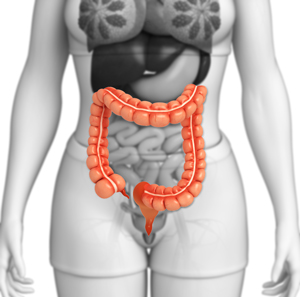
How Gut Imbalance Can Influence Behavior and Mood
Behavioral changes associated with food intolerance or gut microbiome imbalance are increasingly recognized within the gut–brain axis framework. Children and adults may experience irritability, mood swings, hyperactivity, poor concentration, anxiety, or emotional outbursts alongside gastrointestinal symptoms such as bloating, abdominal pain, diarrhea, or constipation.
The gut microbiome helps regulate neurotransmitters—including serotonin, dopamine, and gamma-aminobutyric acid (GABA)—that influence emotional control, attention, and stress response. When microbial diversity is disrupted (dysbiosis) or certain foods trigger immune reactions, inflammatory signaling and altered neural communication between the gut and brain may contribute to behavioral instability and cognitive changes.
Food Sensitivity, Inflammation, and Nervous System Reactivity
Food intolerances and increased intestinal permeability (“leaky gut”) can activate immune pathways that release inflammatory mediators affecting brain function. This process may heighten sensory sensitivity, emotional reactivity, and difficulty with self-regulation.
Autonomic nervous system imbalance—particularly reduced vagal tone—may further impair communication between digestive and emotional regulation centers. Sleep disturbance, antibiotic exposure, highly processed diets, and chronic stress can worsen both microbiome disruption and behavioral symptoms, reinforcing a persistent cycle of gut and mood dysfunction.
Comprehensive Gut–Brain Evaluation for Persistent Behavioral Symptoms
At C-GABA, behavioral concerns linked to digestive symptoms are evaluated through a structured, multidisciplinary approach aimed at identifying biological contributors rather than focusing solely on behavior. Assessment may include:
- Detailed medical, dietary, gastrointestinal, and behavioral history
- Stool microbiome and digestive function testing
- Screening for food intolerances or immune activation
- Inflammatory, metabolic, and nutritional marker analysis
- Review of sleep, stress exposure, and environmental factors
This comprehensive evaluation helps determine whether dysbiosis, inflammation, or dietary triggers are influencing behavioral regulation.
Integrative Treatment and Microbiome-Focused Support
Treatment plans are individualized and coordinated across gastroenterology, nutrition, and behavioral health care. Strategies may include targeted dietary modification, anti-inflammatory support, microbiome restoration, gut-directed behavioral therapies, and stress-regulation techniques.
In carefully selected cases with severe dysbiosis or treatment resistance, advanced microbiome-directed therapies may be considered within strict clinical protocols as part of a broader integrative care pathway. The goal is to stabilize gut–brain communication, reduce behavioral volatility, and support emotional and cognitive development.
Frequently Asked Questions About Behavior, Food Intolerance, and Gut Health
Can food intolerance affect behavior?
Yes. Immune activation and microbiome disruption related to certain foods may influence mood, attention, and emotional regulation.
Are behavioral symptoms always psychological?
Not always. Many individuals have underlying gut inflammation, dysbiosis, or dietary triggers contributing to behavioral changes.
Do elimination diets or probiotics help?
Targeted nutritional strategies and microbiome support may improve symptoms in carefully evaluated individuals.
Is this common in children?
Yes. Behavioral changes linked to gut imbalance or food sensitivity are frequently observed in pediatric populations.
When should specialist evaluation be considered?
Persistent behavioral difficulties, digestive symptoms, sleep disturbance, or poor response to routine care should prompt comprehensive gut–brain assessment.
Take the Next Step Toward Gut–Brain Balance
If behavioral symptoms continue alongside digestive concerns or suspected food intolerance, a comprehensive gut–brain evaluation may identify modifiable biological contributors.
Personalized, multidisciplinary care focused on microbiome restoration, inflammation control, and dietary optimization can support improved emotional stability, behavior, and overall well-being.
Contact C-GABA to explore whether integrative gut–brain care may benefit you or your child.