
Understanding the Biological Basis of Persistent Physical Symptoms
Somatic Symptom Disorder (SSD) is characterized by ongoing physical symptoms—such as pain, fatigue, gastrointestinal discomfort, dizziness, or palpitations—accompanied by significant distress or functional impairment. Although symptoms are medically real, they may not always correspond to a single structural diagnosis.
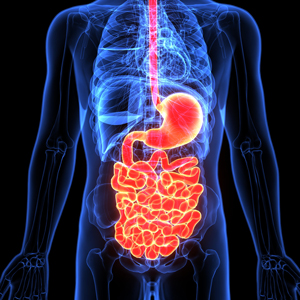
Emerging research highlights the role of the gut–brain axis in amplifying bodily symptom perception. The intestinal microbiome influences immune signaling, neurotransmitter balance, and stress-response pathways. When gut dysbiosis, inflammation, or altered vagus nerve signaling is present, sensory processing in the brain may become heightened, contributing to persistent physical discomfort and symptom awareness. Many individuals with SSD also experience bloating, irritable bowel symptoms, food sensitivities, or chronic fatigue, suggesting a systemic biological component rather than purely psychological origin.
Neuroinflammation, Stress Signaling, and Symptom Amplification
Chronic low-grade inflammation and increased intestinal permeability (“leaky gut”) may allow inflammatory mediators to influence central nervous system pathways involved in pain perception, fatigue, and autonomic regulation.
Disruption of cortisol balance and reduced parasympathetic (vagal) tone can further intensify bodily vigilance and stress sensitivity. This interaction between immune activation, microbiome imbalance, and neural processing helps explain why symptoms may persist even after conventional medical evaluations appear normal. Addressing these biological drivers may support improved symptom regulation and overall quality of life.
Comprehensive Gut–Brain Evaluation for Somatic Symptom Disorder
At C-GABA, assessment of SSD focuses on identifying underlying physiological contributors alongside psychological factors. Evaluation may include:
- Detailed medical, neurological, and psychosocial history
- Stool microbiome and digestive function analysis
- Inflammatory, metabolic, and immune marker testing
- Screening for gut permeability and nutritional deficiencies
- Review of stress physiology, sleep quality, and lifestyle patterns
This multidisciplinary framework helps determine whether microbiome imbalance or immune dysregulation may be sustaining chronic physical symptoms.
Integrative Treatment and Microbiome-Focused Support
Personalized treatment plans are coordinated with mental health and primary care providers. Strategies may include anti-inflammatory nutrition, microbiome restoration, nervous system regulation, stress-modulation therapies, and targeted nutrient support.
In carefully selected treatment-resistant cases with confirmed severe dysbiosis, advanced microbiome-directed therapies may be considered within strict clinical protocols. These interventions are supportive components of a broader integrative care plan rather than standalone cures.
Frequently Asked Questions About Somatic Symptom Disorder and Gut Health
Are symptoms in SSD real even without a clear diagnosis?
Yes. Symptoms are genuine and may be influenced by gut–brain signaling, inflammation, and nervous system regulation.
Can gut imbalance worsen physical symptom perception?
Research suggests dysbiosis and immune activation can heighten sensory processing and pain perception.
Why do digestive issues often accompany SSD?
Shared inflammatory and neural pathways connect gastrointestinal dysfunction with systemic symptom expression.
Is microbiome therapy a replacement for psychological treatment?
No. Gut-focused care complements evidence-based psychological and medical therapies.
Who may benefit from gut–brain evaluation for SSD?
Individuals with persistent, unexplained physical symptoms—especially with digestive complaints, fatigue, or stress-related worsening—may benefit from comprehensive assessment.
Moving Toward Whole-System Recovery
If persistent physical symptoms continue despite standard medical care, a gut–brain–focused evaluation may reveal hidden inflammatory or microbiome-related contributors.
Comprehensive, personalized care aimed at restoring microbial balance, calming immune activation, and regulating nervous system function can support improved symptom stability, resilience, and long-term wellbeing.