
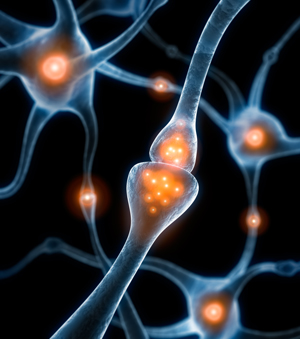
Understanding Neurotransmitter Imbalance
Neurotransmitters such as serotonin, gamma-aminobutyric acid (GABA), and dopamine are essential chemical messengers that regulate mood, cognition, sleep, motivation, digestion, and emotional stability. A significant portion of these signaling molecules—or their precursors—are produced or influenced within the gastrointestinal tract and its microbiome.
Altered neurotransmitter production can occur when gut bacteria become imbalanced, intestinal inflammation develops, nutrient absorption is impaired, or chronic stress disrupts brain–gut communication. These changes may contribute to symptoms including anxiety, depression, irritability, brain fog, fatigue, sleep disturbance, digestive discomfort, and reduced stress tolerance.
The Role of the Microbiome, Inflammation, and Nutrition
Healthy gut microbes help synthesize neurotransmitter precursors, regulate immune signaling, and support intestinal barrier integrity. Dysbiosis or increased intestinal permeability may trigger inflammatory pathways that interfere with neurotransmitter metabolism and signaling in the central nervous system.
Nutritional deficiencies—such as inadequate amino acids, B vitamins, magnesium, or omega-3 fatty acids—can further impair serotonin, GABA, and dopamine balance. Because neurotransmitter health depends on coordinated gut, immune, and metabolic function, effective care must address all contributing systems rather than focusing on the brain alone.
Comprehensive Assessment of Gut–Neurochemical Health
At C-GABA, evaluation of suspected neurotransmitter imbalance uses an integrative, systems-based framework. Assessment may include:
- Detailed symptom, mood, sleep, and digestive history
- Stool microbiome and intestinal function analysis
- Inflammatory, metabolic, and micronutrient testing
- Review of medications, infections, toxin exposure, and stress load
- Functional assessment of lifestyle, diet, and circadian rhythm patterns
This comprehensive approach helps determine whether microbiome disruption, inflammation, or nutritional insufficiency is driving altered neurochemical signaling.
Personalized Strategies to Restore Neurotransmitter Balance
Treatment focuses on correcting underlying biological drivers rather than masking symptoms alone. Care plans may include anti-inflammatory nutrition, microbiome restoration, targeted amino acid and micronutrient support, sleep optimization, stress-regulation therapies, and behavioral health integration.
When clinically appropriate, advanced microbiome-directed therapies may be considered for individuals with severe dysbiosis or treatment-resistant neuroinflammatory patterns. The overall goal is to stabilize neurotransmitter production, improve emotional resilience, and restore cognitive clarity and energy.
Frequently Asked Questions About Neurotransmitter Imbalance
Can gut health really affect serotonin and dopamine levels?
Yes. The microbiome influences neurotransmitter precursors, inflammation, and signaling along the gut–brain axis.
What symptoms suggest altered neurotransmitter production?
Mood changes, anxiety, sleep disturbance, fatigue, brain fog, and digestive complaints are common indicators.
How is neurotransmitter imbalance evaluated?
Assessment typically includes clinical history, microbiome analysis, inflammatory markers, and nutritional testing.
Can neurotransmitter balance improve without psychiatric medication?
Lifestyle, nutrition, microbiome therapy, and stress regulation may support improvement in selected individuals, though medical guidance is essential.
When should specialized care be considered?
Persistent mood, cognitive, or digestive symptoms that do not respond to routine treatment warrant comprehensive evaluation.
Begin Restoring Gut–Brain Neurochemical Balance
If chronic mood, sleep, or cognitive symptoms suggest disrupted neurotransmitter production, a detailed gut–brain assessment may help uncover treatable biological causes.
Personalized integrative care targeting inflammation, microbiome health, and nutritional balance can support more stable serotonin, GABA, and dopamine signaling.
Contact C-GABA to learn how a comprehensive neuro-gastrointestinal approach may help you regain emotional and cognitive well-being.