
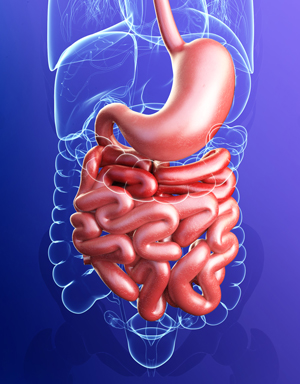
What Is Increased Intestinal Permeability?
Increased intestinal permeability—commonly referred to as “leaky gut”—describes a condition in which the protective barrier of the intestinal lining becomes weakened. Normally, tight junctions between intestinal cells regulate what enters the bloodstream. When this barrier is disrupted, partially digested food particles, toxins, and inflammatory molecules may pass into systemic circulation, triggering immune activation and widespread symptoms.
Individuals with increased intestinal permeability often report bloating, food sensitivities, fatigue, brain fog, joint discomfort, skin changes, and mood disturbances. Because the intestinal barrier plays a central role in immune regulation and communication with the nervous system, barrier dysfunction can significantly influence whole-body health through the gut–brain axis.
Inflammation, Immune Signaling, and Systemic Effects
Barrier disruption allows inflammatory mediators to circulate beyond the gut, potentially contributing to chronic low-grade inflammation. This immune activation has been associated with metabolic imbalance, heightened pain sensitivity, cognitive symptoms, and emotional disturbances such as anxiety or low mood.
Increased intestinal permeability may also alter the gut microbiome and interfere with production of neuroactive compounds—including serotonin, dopamine, and gamma-aminobutyric acid (GABA)—that regulate sleep, cognition, and emotional stability. Addressing intestinal barrier health is therefore essential for restoring both digestive and neurological balance.
Comprehensive Evaluation of Suspected Leaky Gut
At C-GABA, assessment focuses on identifying underlying contributors to intestinal barrier dysfunction rather than treating symptoms alone. Evaluation may include:
- Detailed digestive, dietary, and medical history
- Stool microbiome and functional gut testing
- Inflammatory, immune, and metabolic marker analysis
- Screening for food intolerances, infections, or malabsorption
- Review of stress exposure, medications, and lifestyle factors
This structured approach helps determine whether intestinal permeability is contributing to persistent systemic or neurological symptoms.
Integrative Treatment and Gut Barrier Restoration
Management is individualized and may include targeted dietary therapy, microbiome restoration, anti-inflammatory support, treatment of underlying infections, stress-regulation strategies, and nutritional interventions that promote intestinal healing.
In carefully selected cases with severe dysbiosis or treatment resistance, advanced microbiome-directed therapies may be considered within strict clinical protocols as part of a broader multidisciplinary care plan. The goal is to restore gut barrier integrity, regulate immune signaling, and improve overall systemic resilience.
Frequently Asked Questions About Increased Intestinal Permeability
Is “leaky gut” a real medical condition?
Increased intestinal permeability is a recognized biological phenomenon associated with inflammation, microbiome imbalance, and immune activation.
What symptoms are linked to intestinal permeability?
Common symptoms include bloating, food sensitivities, fatigue, brain fog, joint pain, and mood changes.
Can intestinal permeability affect mental health?
Yes. Immune signaling and altered neurotransmitter production may influence anxiety, mood, cognition, and sleep.
How is leaky gut treated?
Treatment focuses on diet, microbiome balance, inflammation control, and healing of the intestinal lining.
When should specialist evaluation be considered?
Persistent multisystem symptoms, chronic digestive problems, or poor response to routine therapy may require comprehensive assessment.
Take the Next Step Toward Gut Barrier Healing
If ongoing digestive or systemic symptoms suggest increased intestinal permeability, a comprehensive gut–brain evaluation may help identify treatable biological drivers.
Personalized, multidisciplinary care focused on microbiome balance, immune regulation, and intestinal healing can support meaningful long-term recovery.
Contact C-GABA to explore whether integrative gut–brain therapy is appropriate for your condition.