
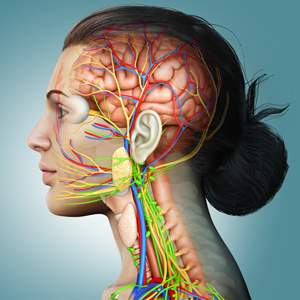
What Is Vagus Nerve Dysregulation?
The vagus nerve is a primary communication pathway between the brain and major organs, including the digestive tract, heart, and lungs. It plays a central role in regulating inflammation, digestion, heart rate variability, emotional balance, and the body’s relaxation response. Vagus nerve dysregulation occurs when this signaling pathway becomes impaired, often due to chronic stress, inflammation, gut microbiome imbalance, infection, or trauma.
Reduced vagal tone may contribute to symptoms such as bloating, reflux, constipation, palpitations, anxiety, fatigue, sleep disturbance, dizziness, and difficulty regulating emotions. Because the vagus nerve integrates neurological, immune, and gastrointestinal function, disruption can produce widespread systemic effects through the gut–brain axis.
Inflammation, Autonomic Imbalance, and Gut Signaling
Gut dysbiosis and increased intestinal permeability may generate inflammatory signals that interfere with vagal communication between the gut and brain. At the same time, chronic sympathetic (“fight-or-flight”) activation can suppress parasympathetic vagal activity, further impairing digestion, immune regulation, and emotional stability.
Altered vagal signaling may also influence neurotransmitter balance—including serotonin, dopamine, and gamma-aminobutyric acid (GABA)—affecting mood, cognition, and sleep. Addressing both gut inflammation and nervous system regulation is therefore essential for restoring autonomic balance.
Comprehensive Evaluation of Autonomic and Gut–Brain Function
At C-GABA, suspected vagus nerve dysregulation is assessed using a multidisciplinary framework that evaluates neurological, gastrointestinal, metabolic, and psychological contributors. Assessment may include:
- Detailed medical, digestive, and symptom history
- Stool microbiome and intestinal function testing
- Inflammatory, metabolic, and nutritional marker analysis
- Evaluation of stress physiology, sleep quality, and heart rate variability patterns
- Review of medications, infections, or environmental triggers
This structured approach helps determine whether microbiome imbalance, immune activation, or chronic stress is impairing vagal function.
Integrative Treatment and Vagal Restoration Strategies
Treatment is individualized and coordinated across gastroenterology, neurology, nutrition, and behavioral health care. Strategies may include anti-inflammatory dietary therapy, microbiome restoration, breathing and relaxation techniques, sleep optimization, physical activity guidance, and targeted nutritional support for autonomic regulation.
In carefully selected cases with severe dysbiosis or treatment-resistant systemic inflammation, advanced microbiome-directed therapies may be considered within strict clinical protocols as part of a broader integrative care plan. The goal is to restore healthy vagal tone, regulate immune signaling, and improve digestive, emotional, and metabolic stability.
Frequently Asked Questions About Vagus Nerve Dysregulation
What symptoms suggest vagus nerve dysfunction?
Digestive disturbance, anxiety, palpitations, dizziness, fatigue, and poor stress tolerance are commonly associated with reduced vagal tone.
Can gut health affect the vagus nerve?
Yes. Microbiome imbalance and intestinal inflammation can alter signaling along the gut–brain axis and impair vagal regulation.
How is vagus nerve dysregulation evaluated?
Assessment may include clinical history, autonomic function indicators, inflammatory testing, and evaluation of gut microbiome health.
Can vagal tone be improved?
Lifestyle therapies, stress-regulation techniques, microbiome support, and anti-inflammatory strategies may help restore healthier autonomic balance.
When should specialist care be considered?
Persistent multisystem symptoms, chronic digestive issues, or poor response to routine treatment should prompt comprehensive evaluation.
Take the Next Step Toward Autonomic Balance
If ongoing digestive, emotional, or fatigue-related symptoms suggest vagus nerve dysregulation, a comprehensive gut–brain evaluation may help identify treatable biological contributors.
Personalized, multidisciplinary care focused on microbiome restoration, inflammation control, and autonomic nervous system regulation can support meaningful long-term recovery.
Contact C-GABA to explore whether integrative gut–brain therapy may benefit your condition.