
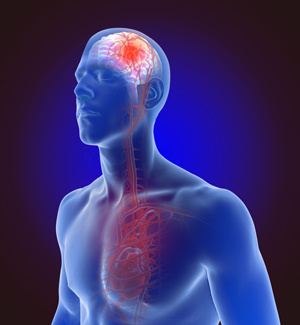
Can the Gut Microbiome Influence Autoimmune Neurological Disease?
Multiple sclerosis (MS) is a chronic autoimmune condition in which immune-mediated inflammation damages the protective myelin covering of nerve fibers in the brain and spinal cord. This process can lead to symptoms such as fatigue, muscle weakness, sensory disturbance, balance problems, visual changes, and cognitive difficulty.
Emerging research highlights the role of the gut–brain–immune axis in autoimmune regulation. The gut microbiome helps shape immune tolerance, inflammatory signaling, and metabolic balance. When microbial diversity is disrupted—a state known as dysbiosis—immune activity may shift toward a pro-inflammatory pattern that can influence autoimmune pathways. Many individuals with MS also report gastrointestinal symptoms, suggesting a possible interaction between gut health and neurological disease activity.
Immune Dysregulation, Neuroinflammation, and Gut Barrier Integrity
Chronic intestinal inflammation and increased gut permeability (“leaky gut”) may allow immune-activating molecules to enter systemic circulation. These signals can contribute to broader immune dysregulation and neuroinflammatory activity associated with MS progression.
Microbial metabolites such as short-chain fatty acids normally help regulate immune balance and protect the blood–brain barrier. Reduced production of these protective compounds in dysbiosis may further influence inflammatory responses within the central nervous system. While gut dysfunction is not considered a primary cause of MS, it may represent a modifiable factor affecting symptom burden and immune stability.
Comprehensive Gut–Immune Assessment in Multiple Sclerosis
Supportive evaluation of individuals with MS may include a structured review of gastrointestinal, metabolic, and inflammatory health. Assessment can involve:
- Detailed neurological, medical, and treatment history
- Nutritional and dietary evaluation
- Stool microbiome analysis
- Inflammatory and metabolic marker testing
- Screening for gut permeability and micronutrient deficiencies
This integrative approach helps determine whether microbiome imbalance or chronic inflammation could be contributing to fatigue, cognitive symptoms, or systemic immune stress.
Integrative Support and Microbiome-Focused Care
Management of MS remains centered on neurologist-directed disease-modifying therapies and symptom control. Gut-focused strategies are considered supportive rather than curative. These may include anti-inflammatory nutrition, targeted probiotic or microbiome therapies, metabolic optimization, and coordinated lifestyle interventions aimed at immune regulation.
In highly selected situations involving severe dysbiosis and complex systemic symptoms, faecal microbiota transplantation (FMT) may be explored within strict clinical and ethical frameworks. FMT is not an established treatment for MS but may be considered investigational supportive care in specialized settings.
Frequently Asked Questions About Multiple Sclerosis and Gut Health
Can the gut microbiome affect MS symptoms?
Research suggests microbiome balance may influence immune signaling, inflammation, fatigue, and cognitive function in some individuals with MS.
Is gut inflammation a cause of multiple sclerosis?
MS is an autoimmune neurological disease with complex genetic and environmental factors. Gut inflammation is not considered a primary cause but may influence immune activity.
Why is nutrition important in MS management?
Balanced nutrition supports immune regulation, energy metabolism, and overall neurological health, which may help reduce symptom burden.
Is FMT approved for treating MS?
FMT is approved for recurrent C. difficile infection and remains investigational for autoimmune or neurological diseases such as MS.
Should MS care include gut evaluation?
For patients with digestive symptoms, chronic inflammation, or unexplained fatigue, a gut-focused assessment may provide supportive clinical insight.
Supportive Care for Immune and Neurological Balance
If you or a loved one is living with multiple sclerosis and experiencing persistent digestive symptoms, fatigue, or inflammatory concerns, a comprehensive gut–immune evaluation may help clarify contributing factors.
Consultation can help determine whether microbiome-focused, integrative support strategies may complement ongoing neurological care and promote long-term immune stability and quality of life.