What Is Microglial Activation?
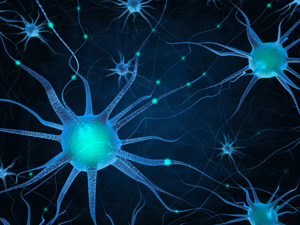
Microglia are specialized immune cells within the brain and spinal cord that monitor the nervous system for injury, infection, or inflammation. Microglial activation occurs when these cells shift into an inflammatory state in response to immune signals, toxins, chronic stress, or systemic inflammation originating outside the brain—including from the gut.
While short-term activation helps protect neural tissue, persistent microglial activation may contribute to neuroinflammation, altered neurotransmitter signaling, cognitive dysfunction, fatigue, mood disturbance, and heightened pain sensitivity. Increasing evidence suggests that disturbances in the gut microbiome and intestinal barrier can trigger immune pathways that influence microglial behavior through the gut–brain axis.
Gut Inflammation, Immune Signaling, and Neuroinflammation
Gut dysbiosis and increased intestinal permeability may allow inflammatory molecules to enter systemic circulation and reach the central nervous system. These immune mediators can stimulate prolonged microglial activation, leading to sustained neuroinflammation that may affect cognition, emotional regulation, sleep, and neurological resilience.
Disrupted microbial signaling may also interfere with production of neuroactive compounds—such as serotonin, dopamine, and gamma-aminobutyric acid (GABA)—further influencing brain function. Addressing gut-driven immune activation is therefore an important step in stabilizing microglial activity and protecting long-term neurological health.
Comprehensive Evaluation of Neuroimmune Imbalance
At C-GABA, suspected neuroinflammatory conditions related to microglial activation are evaluated through a multidisciplinary gut–brain framework. Assessment may include:
- Detailed neurological, cognitive, digestive, and medical history
- Stool microbiome and intestinal function analysis
- Inflammatory, immune, and metabolic marker testing
- Screening for intestinal permeability or chronic infection
- Review of sleep, stress exposure, environmental triggers, and prior treatments
This structured evaluation helps determine whether gut-derived immune activation may be contributing to persistent neurological or cognitive symptoms.
Integrative Treatment and Neuroimmune Regulation
Management strategies are individualized and coordinated across neurology, gastroenterology, nutrition, and behavioral health care. Treatment may include anti-inflammatory dietary therapy, microbiome restoration, immune-modulating nutritional support, stress-regulation interventions, and optimization of sleep and metabolic health.
In carefully selected cases with severe dysbiosis or treatment-resistant systemic inflammation, advanced microbiome-directed therapies may be considered within strict clinical protocols as part of a broader integrative care plan. The goal is to reduce neuroinflammation, regulate immune signaling, and support cognitive and emotional stability.
Frequently Asked Questions About Microglial Activation
What causes microglial activation?
Common triggers include infection, chronic inflammation, toxins, stress, neurodegeneration, and immune signals originating from gut dysbiosis or intestinal permeability.
Can gut health influence brain inflammation?
Yes. Immune and metabolic signals from the gut microbiome can affect neuroinflammatory pathways and microglial activity.
What symptoms are linked to chronic microglial activation?
Fatigue, brain fog, mood changes, sleep disturbance, pain sensitivity, and cognitive decline may be associated with persistent neuroinflammation.
How is microglial activation evaluated?
Assessment typically includes clinical history, inflammatory and metabolic testing, neurological evaluation, and investigation of gut health contributors.
Can treatment reduce neuroinflammation?
Targeted anti-inflammatory, microbiome-focused, and lifestyle-based therapies may help regulate immune signaling and support neurological recovery in selected individuals.
Take the Next Step Toward Neuroimmune Balance
If persistent fatigue, cognitive symptoms, or mood changes suggest underlying neuroinflammation, a comprehensive gut–brain evaluation may help identify modifiable biological drivers.
Personalized, multidisciplinary care focused on microbiome restoration, immune regulation, and nervous system resilience can support long-term neurological health. Contact C-GABA to explore whether integrative gut–brain therapy may be appropriate for your condition.